

Reece Wallace
Reporter, Social Sciences and Business & Economics
Reece Wallace, based in Houston, Texas, covers Business & Economics and Social Sciences for The Academic Times. He holds a master's degree from the University of Chicago and a BA from Tufts University.
 Many self-identified conservatives hold views that are at odds with their ideological label, a phenomenon researchers say helps explain why they’re more likely than liberals to have friends from across the political spectrum.
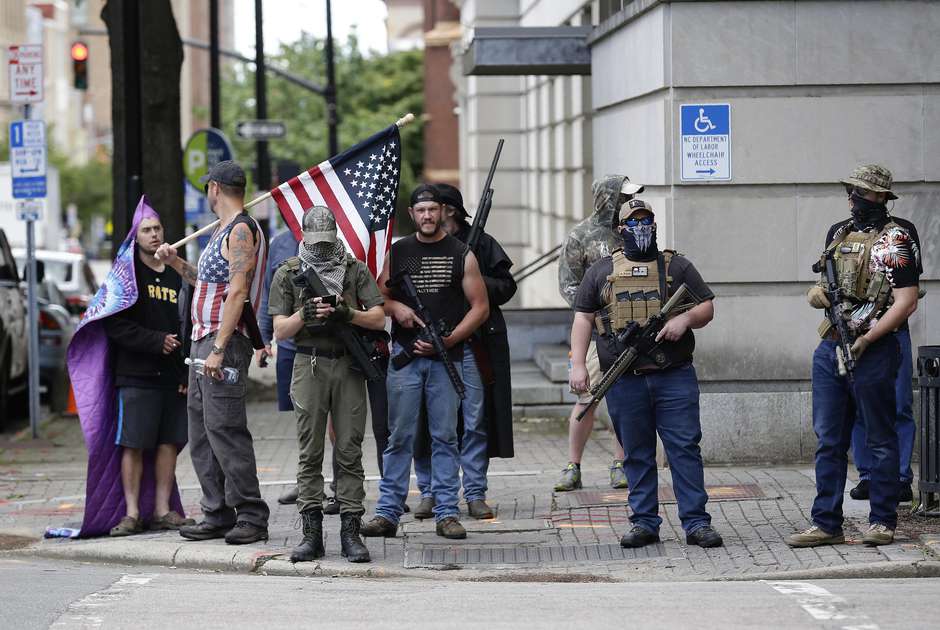 People who back lawmakers based on their stance on a single issue can pressure incumbents to vote against the views of most Americans, new research showed, suggesting that national policy on hot-button topics could be dictated by a “tyranny of the single-minded.”
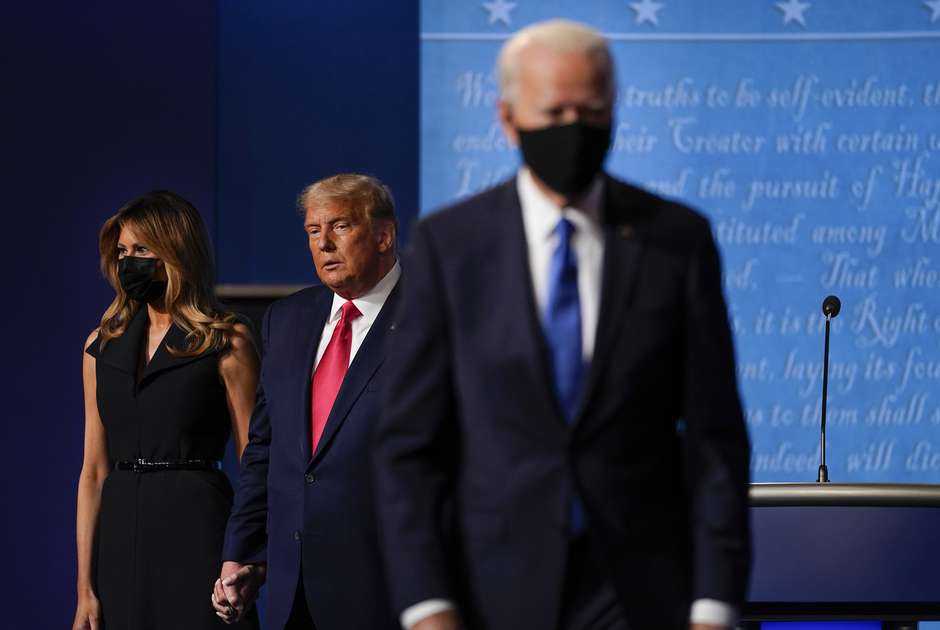 Long periods of severe political polarization threaten democratic integrity even more than rapid spikes in societal division, new research suggests, but opposition leaders can fight incumbents who exploit polarization by focusing on ideas and values rather than clashing identity groups.
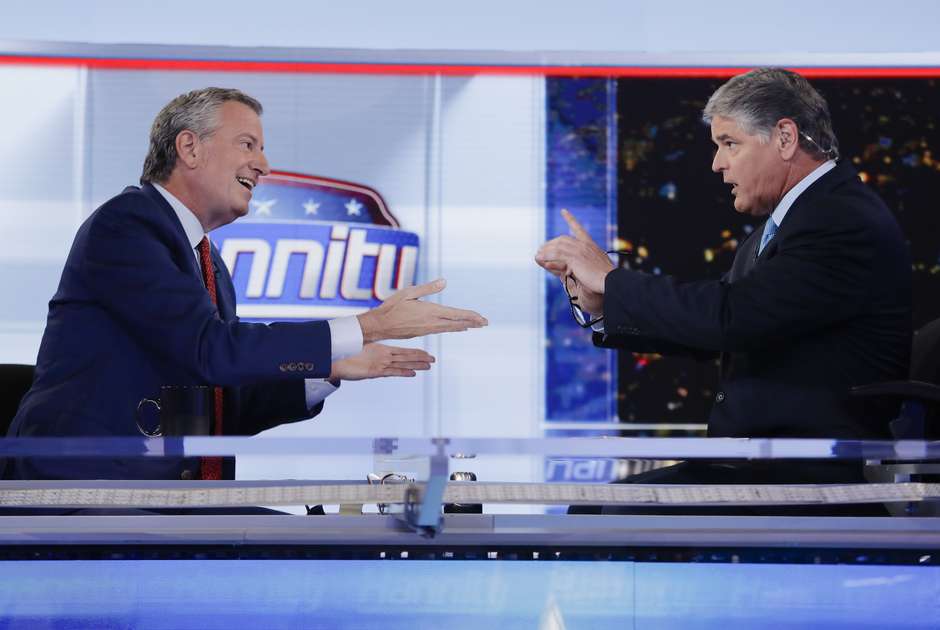 Partisan audiences are less hostile toward online news sources associated with a rival political party after being exposed to stories from them, according to new research, suggesting that a certain amount of opposition to a rival's ideas may be grounded in a lack of exposure to those views.
 Different social classes are often split on a range of economic and political issues, and new research finds that improved socioeconomic status doesn’t change individuals’ social views and only modestly alters their opinions on economic redistribution — a result that suggests that such divisions are rooted in deeper social forces and could be exploited by politicians.
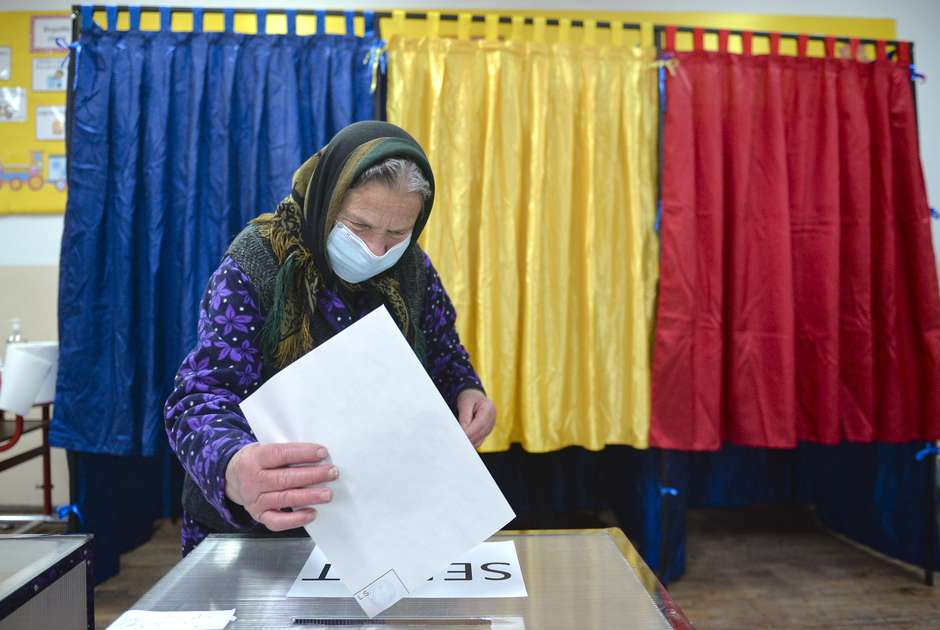 People with “feminine” personalities are substantially more likely than their “nonfeminine” counterparts to trust the government, according to new research, suggesting that gender, not biological sex, could be a fundamental driver of many political attitudes and behaviors.
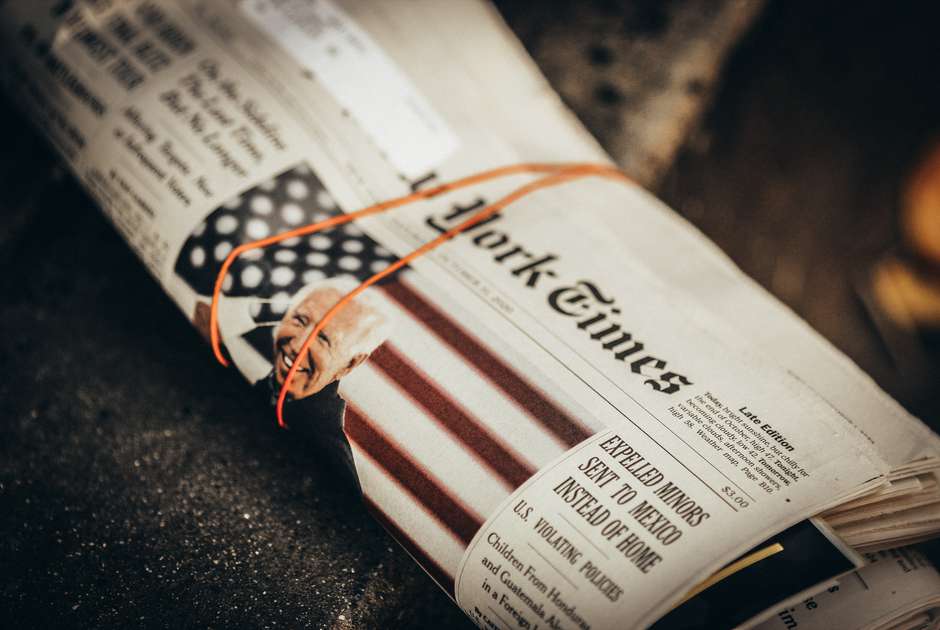 Mainstream newspapers cover economic developments mostly without ideological bias, according to a largest-of-its kind study of over 2 million articles published in outlets across the developed world, despite broad accusations and popular perceptions of the news media being biased.
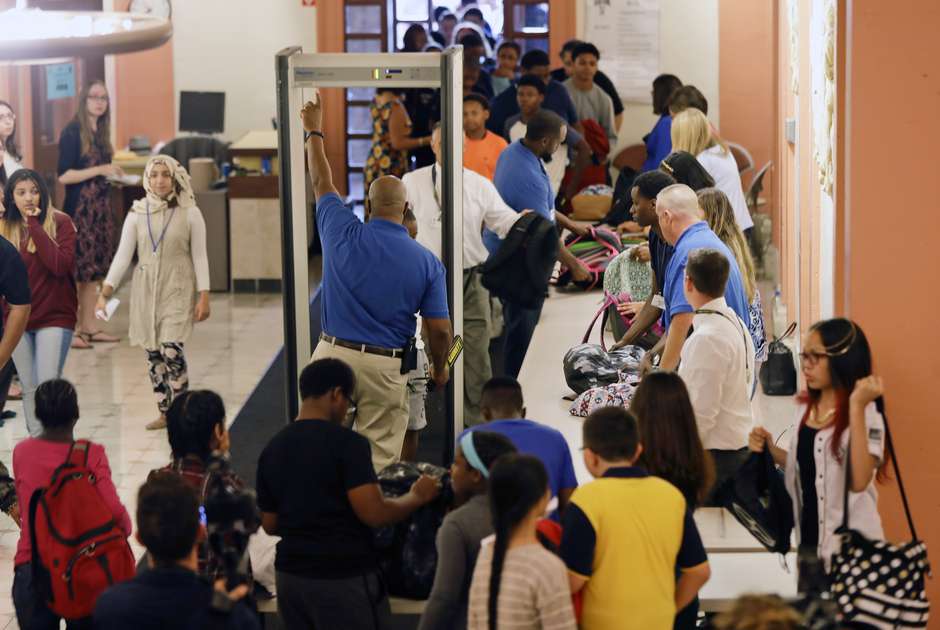 Americans are divided over whether teachers and staff should be armed to defend against school shooters, but shifting values between generations and a sizable minority of undecided citizens could turn the tide against introducing guns into the nation’s schools.
 U.S. senators are using Twitter increasingly as a forum to talk about national policy and project “legislative prowess,” pivoting away from local issues faced by their constituents as they build their political brands with the social media platform’s global user base.
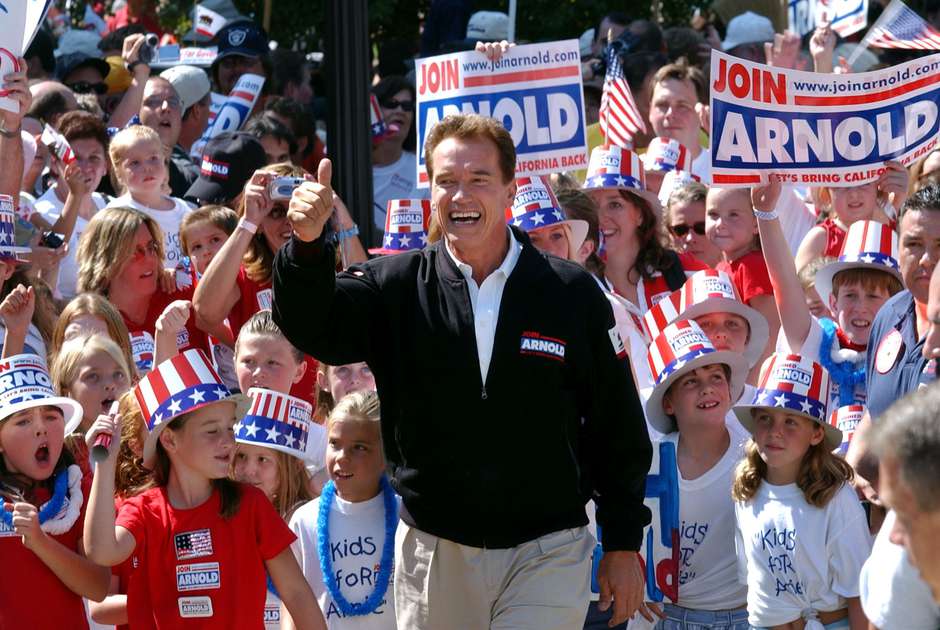 American celebrities win an “astounding” share of elections they enter at all levels of government, according to new research, even though they don’t often run, highlighting that their status can be a potent political force and enable them to pick their races.
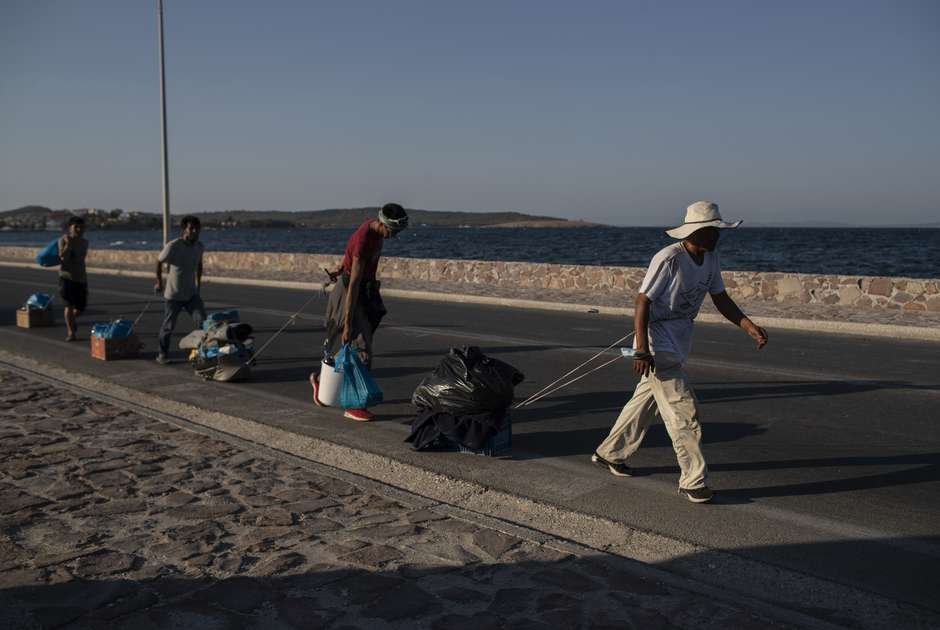 Far-right parties in the European Union may be flouting the bloc’s standards for processing asylum seekers, according to new research that found nations reducing their claim approvals in a sign that the EU still struggles to enforce unified humanitarian protections.
 Individuals who aren’t happy are significantly more likely to back populist parties in Europe, according to new research, underscoring that political instability could be a result of policymakers not doing more to bolster citizens’ health and happiness.