

Reece Wallace
Reporter, Social Sciences and Business & Economics
Reece Wallace, based in Houston, Texas, covers Business & Economics and Social Sciences for The Academic Times. He holds a master's degree from the University of Chicago and a BA from Tufts University.
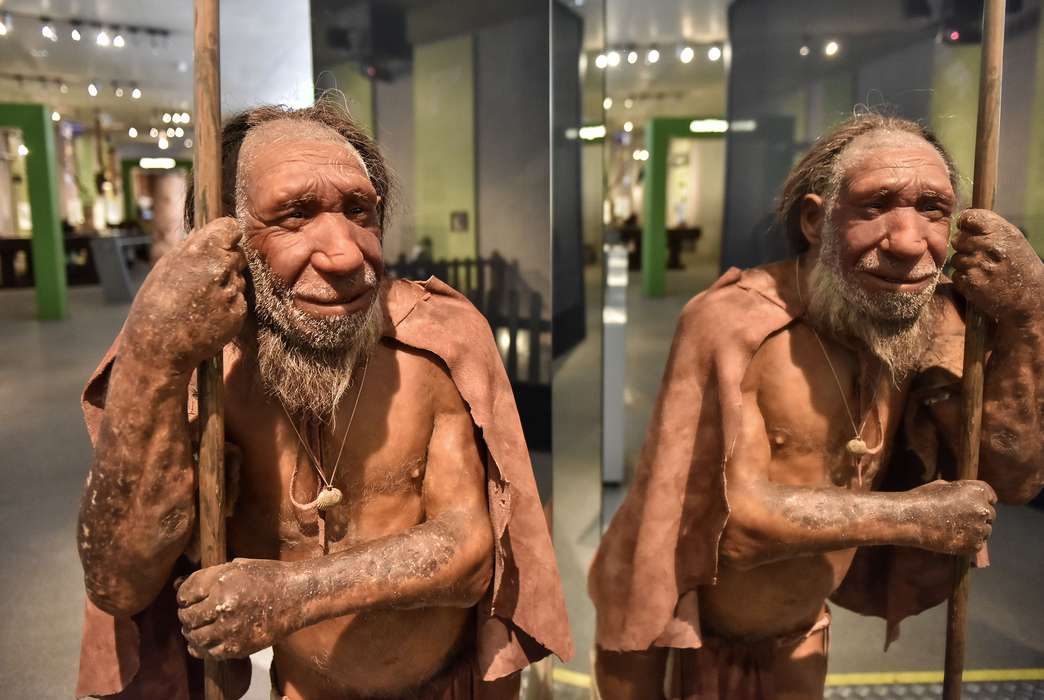 Researchers have further filled out the history of Eurasia's ancient Neanderthals, using crucial genetic evidence previously hidden in cave sediments to shed light on the hominins' population history and evolution over thousands of years.
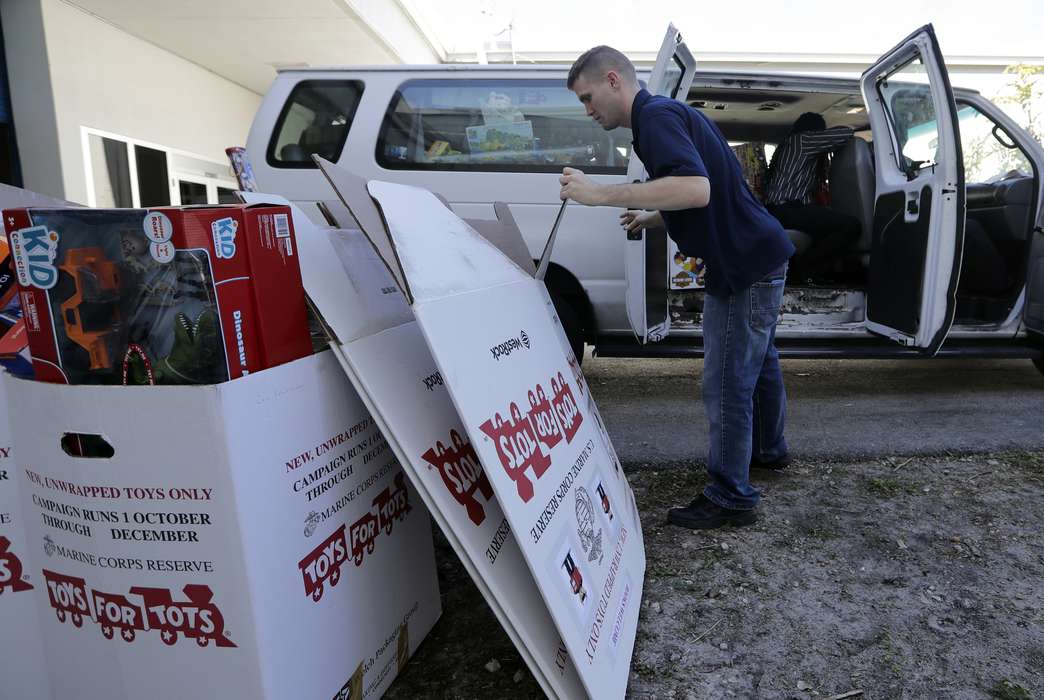 When it comes to charitable giving, people are motivated more by appeals to the good feelings they'll receive than by messaging about benefits for others, according to a first-of-its-kind experiment using revenue Alaskans receive because of the state's oil and gas industry.
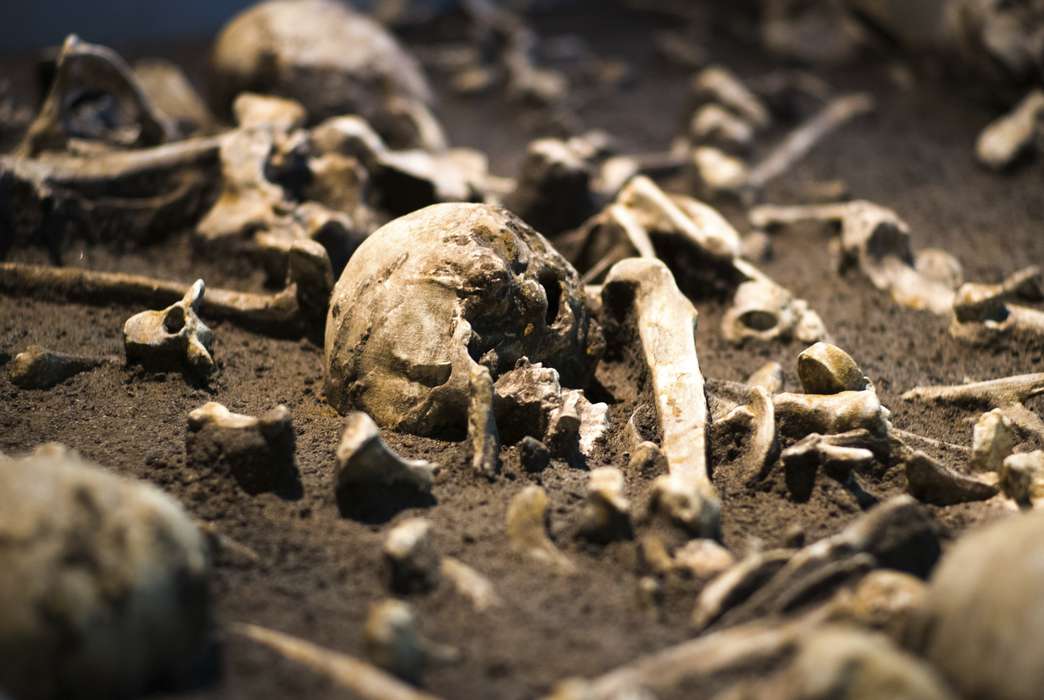 Genomic analyses of recently unearthed human remains from around 40,000 years ago have given researchers insight into a previously unknown migration into Europe and suggest that modern humans were mixing with Neanderthals more often than was assumed.
 China's fast-growing cryptocurrency mining sector holds major promise for businesses across the country, but could come at the cost of nationwide carbon neutrality if more stringent controls aren't enacted, according to new research.
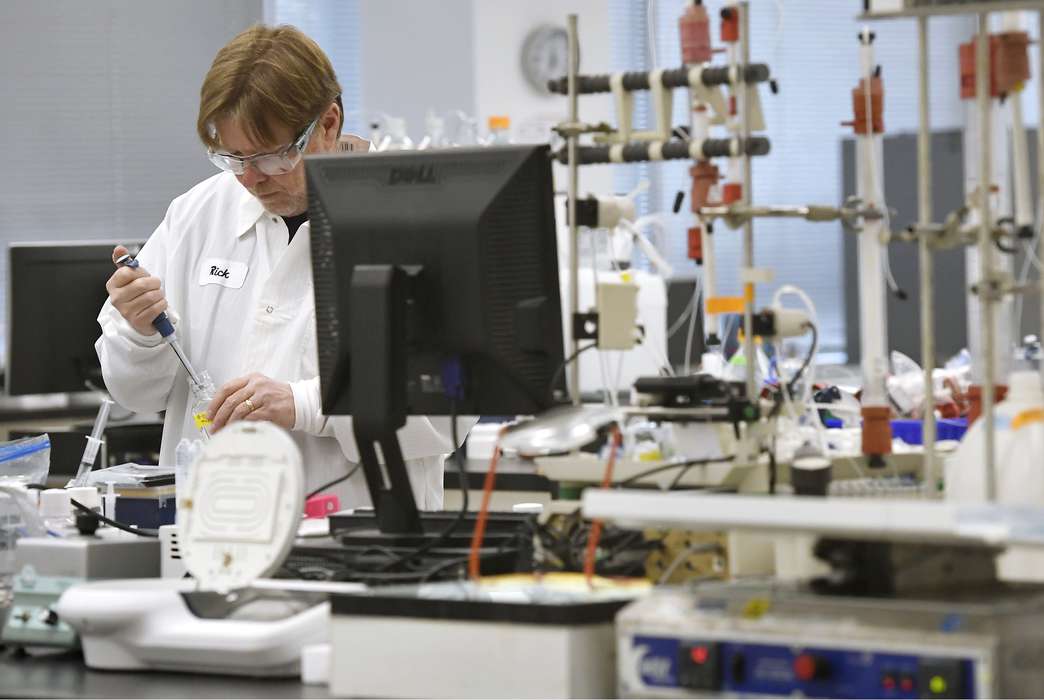 While conservatives and liberals were similarly confident in scientists as recently as the 1980s, conservatives' views have since dimmed dramatically — a trend that new research says resulted largely from moral conservatives' move to identify with the political right.
 Partisanship may be driving some Republicans to become increasingly authoritarian, not the other way around, according to new research challenging widely held views about the stability of psychological traits through time.
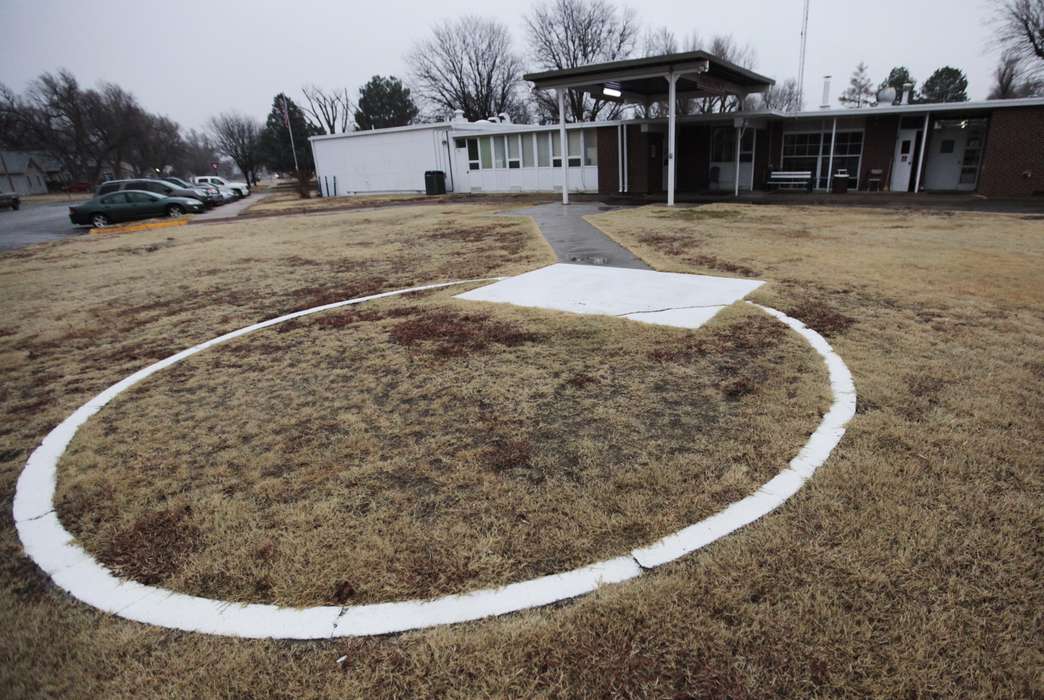 A study led by Harvard Medical School researchers found that people in counties with too few primary care physicians live more than a year and a half less on average than peers in better-served regions, and indicated that the government may be undercounting areas in need.
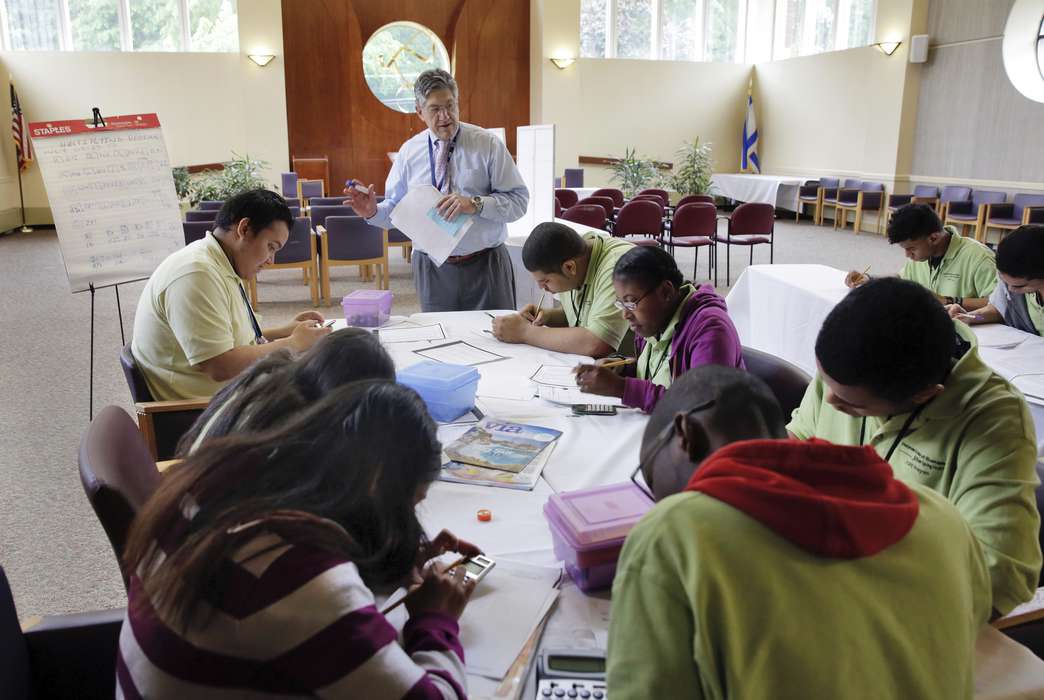 A globe-spanning database sheds light on the scale of the “learning crisis” jeopardizing economic growth in developing economies, underscoring the need for education policy focused on giving children the skills and knowledge they need to build much-needed human capital.
 Most Republicans and Democrats live apart from members of the other party, according to a sweeping analysis of America’s nearly 181 million registered voters, with levels of “high isolation” from the out-party potentially driving political polarization and mistrust.
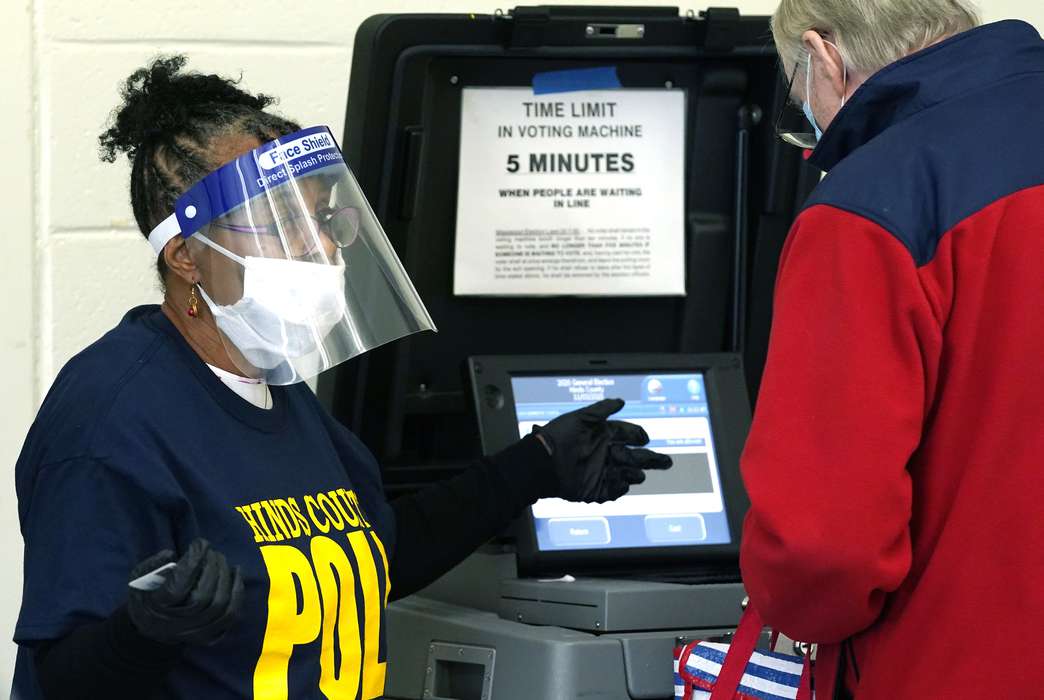 Most presidential polls conducted in the immediate runup to the 2020 election overestimated support for Democratic nominee Joe Biden and were among the least accurate in the past 25 years, new research found, shedding light on how hard it has become to make accurate electoral forecasts.
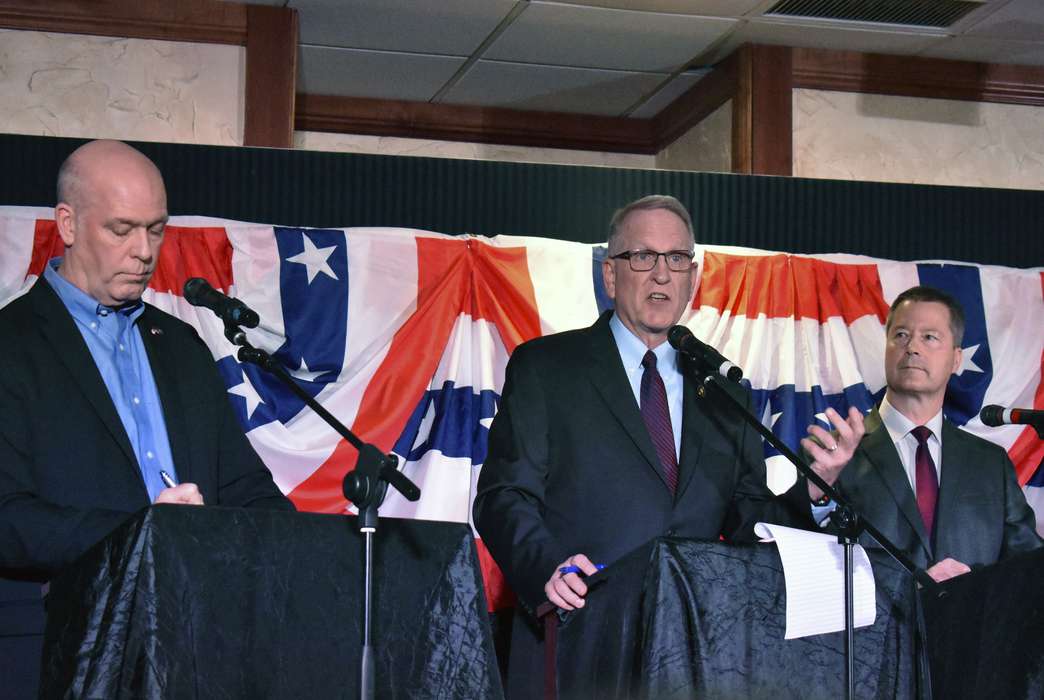 Voters with aggressive personalities don't mind uncivil behaviors by candidates on the campaign trail, new research found, except when those politicians are women — a finding that emphasizes the price female office-seekers pay for subverting gender stereotypes.
 German American voters helped pave Donald Trump’s path to the presidency in 2016, drawn to his candidacy by appeals which researchers said resonated with the group’s unique historical experience and could impact elections for years to come.