
 News stories presented as fact-checks could help readers update their beliefs more accurately than conventional news articles, but such stories are also perceived to be more biased, new research suggests.
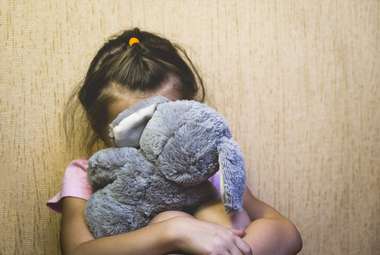 Children who are more emotionally sensitive may be more responsive to both supportive and adverse caregiving experiences, as measured in the amygdala, a brain region involved in responding to stress and regulating emotions.
 Most people can sense when a conflict is brewing in their personal relationships, but what if their smartphones could, too — and could intervene during the moments before an argument boiled over? That's the idea behind a developing technology that could detect and mediate relationship problems by tapping into data from smart devices.
 People who report feeling a stronger sense of empathy toward a person they have victimized may be capable of higher-quality apologies, supporting the idea that interpersonal empathy-building techniques could help preserve and repair relationships.
 Girls are more likely than boys to be bullied by their peers, and they may be disproportionately turning to illicit substances such as alcohol and marijuana as a result, according to a new analysis of data from 2011 through 2017, obtained through the national Youth Risk Behavior Survey, which collects demographic and health behavior information from U.S. high school students.
 Puppies don't learn how to communicate with humans; rather, it's likely they are born knowing how to respond to our gestures and vocal cues after years of advantageous genetic selection during the domestication process, according to a new study published Thursday.
 When gender minority adolescents, including transgender teens, are exposed to transphobia and other gender-related stressors, they are more likely to use alcohol to cope, but family and social support, as well as gender-related pride, can moderate the use of substances, according to trailblazing longitudinal research from Boston Children's Hospital, Harvard Medical School and the Harvard T.H. Chan School of Public Health.
 Through electrical measurements of the skin and three key facial muscles, researchers in Portugal have shown that we respond differently to different strong emotions expressed by laughing or crying — and the results suggest that our bodies can distinguish fake laughter, but not fake tears, from real emotions.
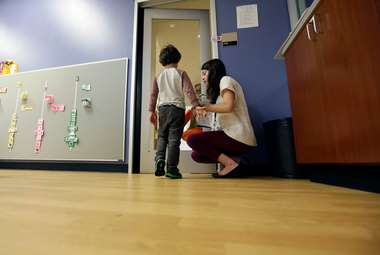 Children with autism spectrum disorder, a developmental disability that involves deficits in social communication and interaction, are more likely to be killed by their parents than by any other group of adults, and most often in response to the stress of having to care for the child, according to a recent analysis of 706 news media articles on homicide incidents involving autistic child victims in the United States.
 Although it's widely assumed that giving gifts strengthens relationships with friends, family and romantic partners, a new set of studies suggests that there's a darker side to generous acts: People may act more selfishly after giving someone else a present.
 New research finds that babies of mothers experiencing postnatal anxiety have more difficulty processing both happy faces and fearful faces, highlighting the importance of mother-infant interactions in the development of emotional processing.
 Experiencing mistreatment in the workplace is a highly prevalent global phenomenon that affects more than a third of employees across 62 countries and results in hundreds of billions to nearly 2 trillion dollars in lost productivity, but greater legal protections for workers may have a protective effect, according to a new meta-analysis.